Jacinda today summoned her waning powers of public relations to fire a stuttering broadside towards those afloat on Mallard Lake.
The vacuous labels ‘Anti-vaccination’ and ‘Imported forms of protest’ were duly rolled out for RNZ but her shots fell short.
What actually are some of the serious protest questions that remain unanswered?
The Covid-19 mRNA vaccine has emergency approval only, not the usual ten years testing and evaluation, so why isn’t reporting of adverse effects mandatory—a question asked repeatedly but never answered?
How are you going to manage an economy in which ten percent of the population, including many skilled professionals, are excluded from work?
Now that studies show Omicron affects the vaccinated and unvaccinated equally why are there still mandates?
Adverse effects from Covid-19 mRNA vaccination are running at 30 times any previous vaccine, so what is your justification for continuing mandates?
Why are young children and teens being coerced into a health risk from mRNA vaccination that is greater than the risk from Covid itself?
As our economy falters, when are you going to allow it to restart?
When is government advertising going to treat the people of New Zealand to accurate information rather than misleading propaganda such as the assertion that mRNA vaccines and boosters are completely safe and effective?
When are individuals injured by vaccination going to be allowed an exemption to further doses?
When are the guarantees of the NZ Bill of Rights going to be honoured as our constitutional right?
Please reply by quoting published science papers.
Loud music, sprinklers, police cordons, labels such as ‘import’, refusal to dialogue, refusal to receive documentation, and refusal to answer questions do not cut the mustard in a democracy and at the moment that is still what we call ourselves.
Guy Hatchard PhD was formerly a senior manager at Genetic ID a global food testing and certification company (now known as FoodChain ID).
New genetic research results indicate that the DNA of plants plays a far greater role in health maintenance than previously thought.
The corollary of this is the great role that food additives, processes, medicines, and pollution are playing in the massive rise of certain diseases such as mental illness and cancer among the young.
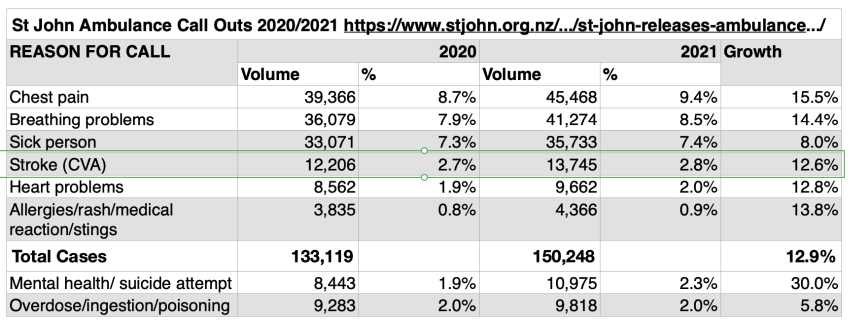
St John ambulance cases increased by 6.8% in 2021 to 555,000.
Out of the St. John categories of call outs, I have selected those conditions which correspond to common adverse effects of vaccination reported to Medsafe.
Note: to be complete I have also noted figures for suicide (up 30%) which are believed to be related to the effect of lockdowns.
The vaccine adverse effect categories increased by 17,000 cases.
The large rises in chest pain (up 6,102—+15.5%) and breathing problems (up 5,195—+14.4%) correspond to increased cases of myocarditis and pericarditis.
It is to be noted that the St John figures are for those sufficiently ill to warrant the call of an ambulance. Generally ambulance cases involve people who are seriously ill and in need of urgent attention.
St John Figures Show Many Vaccine Injuries Are Serious
Of the 46,000 adverse effect cases reported to Medsafe following Covid vaccination, 8,500 were for chest pain and 5,000 for breathing difficulties.
Medsafe estimates that only 5% of adverse effects are recorded in its system.
The St John figures indicate that contrary to Medsafe’s assertion that these conditions were non-serious, a great many were serious enough to warrant an ambulance call out.
It is interesting that despite anecdotal reports from ambulance crews of high vaccine injury case loads, St John has no category for vaccine injury per see.
Instead St John joins the long list of official bodies in vaccine injury denial saying only that “St John attributes rises in chest pain and breathing difficulties to the direct impact of COVID-19 or COVID-19 lockdowns.” A rather inadequate assertion given the low Covid incidence in 2021.
For weeks now, I and others have been writing about the unprecedented level of vaccine injury supported by science journal publishing.
There has been an overwhelming level of support and more case records coming in daily through social media and the rapidly growing alternative press in New Zealand including the Daily Telegraph, The Buzz, The Daily Examiner, The Health Forum NZ, VFF, Gary Moller, Muriel Newman, and many others (too many to mention everyone, apologies).
Thank you for everyone’s support and continued efforts to stand up and speak up. So why the inexplicable silence from the government and mainstream media?
We are talking here of the lives of many tens of thousands of people in New Zealand adversely affected by vaccination, thousands very seriously. These are all people who followed government advice and accepted assurances of safety.
Adverse effects are running at an unprecedented 30 times more than previous vaccinations. We know that the standard response of silence in the face of statistics and personal stories has been curated directly by Jacinda Ardern who famously deleted 30,000 adverse effect comments on her FB page.
How does this work?
We don’t have to look very far into history.
Is Ardern Following in Tony Blair’s Footsteps?
Take the case of Tony Blair, like Ardern he is skilled in public relations—a mesmerising public speaker.
In his heyday, an overwhelmingly popular politician who articulated a vision that communicated a sense of hope and promise to the population. His appeal stretched across historical political boundaries.
At some point, he decided to use his abilities to promote a lie—fully aware of the UK spy agency report that they had none, he told the public that Saddam Hussein had weapons of mass destruction.
His lie provided justification for a war in which a million Iraqis died.
Tony Blair used his skills to impart to his global public a sense that the war was the right thing to do.
There were two elements to this—the invention of an imminent threat from fictious weapons to create fear in the population and demonisation of a foreign population of Iraqis in order that mass murder could be seen as a righteous act.
Has Ardern used the same tactics?
Quite early on in 2021, it should have been clear to the government from reports out of Israel that vaccination gave rise to heart disease.
As the vaccine rollout progressed in New Zealand, adverse effects piled up.
But saturation advertising promising that the vaccine was safe and effective continued.
Ardern used her PR skills to not only deflect questions, but demonise the vaccine hesitant as ill-informed, weak-minded people.
As the year went on, serious scientific work emerged documenting risks of vaccination—there were many.
These were not only ignored, but suppressed through the Ardern doctrine that the government should be the only source of information.
The Deception is Continuing with Omicron Misinformation
As the year ended, scientific studies of Omicron reached a number of important conclusions: Omicron is a mild illness that equally affects vaccinated and unvaccinated.
A study in Israel found even a fourth Covid booster is not enough to fight Omicron.
It is notable that health authorities in both the EU and Israel have tried to suppress information that Omicron is a mild illness unaffected by vaccination.
Similarly here in New Zealand, saturation advertising encouraging boosters has continued, painting a picture of severe risk from Omicron and the fiction that the booster shot provides protection.
No mention of the progressively increased risk of myocarditis with each vaccine dose.
Ardern has used her star power to promote a vaccination dream and she has succeeded in imparting a sense of righteous vaccination achievement to a large cohort of the population.
This has left the vaccine injured shut out of coverage, and the rest of the population unaware that they have been exposed through vaccination to a long-term unquantified risk of heart illness.
As with any exaggeration or lie, at some point there has to be an accounting. Almost everyone in New Zealand knows of a friend or family member adversely affected by vaccination.
Gradually the penny is dropping that these are not isolated unfortunate incidents but part of a pattern that the government has sought to sweep under the carpet.
Ardern, Hipkins, and Bloomfield are the central characters promoting vaccination at the expense of any reality check.
We suspect that they are finding it hard to admit the deception, but now they have to take responsibility.
Guy Hatchard PhD was formerly a senior manager at Genetic ID a food testing and certification company (now known as FoodChain ID)
The use of brute force rather than dialogue in Parliament Square today is a reflection of a long standing imbalance in healthcare and an arrogant political misunderstanding of what science is.
Before the pandemic modern medical healthcare was already in crisis. In the USA medical misadventure had become the third leading cause of death. Longevity gains had plateaued and started to decline.
Our healthcare system was in hock to drug companies. How many of us have experienced a befuddled GP referring to his computer to locate the ‘right’ drug for us from a database we can’t see but is ‘approved’ by pharmaceutical companies?
How many of us have then researched some dietary advice and perhaps some supplements and/or exercise and found that to be useful?
The Pharmaceutical System
Within the allopathic paradigm of medicine, drugs are developed, researched, manufactured, and supplied by commercial pharmaceutical companies. Medical professionals are like the repair technicians, they prescribe the drugs and deal directly with the end user.
The medical regulators (or in some cases insurers), like Medicare and Pharmac in NZ, negotiate payments and approval of drugs. Although all these parties appear to be separate, in practice they work together.
There are revolving doors whereby employees of each sector can switch within the system. It works as a very addictive system.
When you are young you will mostly recover from illnesses through the natural operation of your immune system, yet the prescription of a palliative drug reinforces the idea that drugs guarantee health.
However, it is often the case that a drug compromises your immune system and predisposes you to future illness, but you are not told that. If a drug fails to help, or its side effects cause other problems, you may be prescribed an additional drug.
This is particularly evident among the elderly, who typically have multiple prescriptions and consequently multiple side effects. Pharmaceutical regimes have become so complex that research studies, such as those conducted by Professor Dee Mangin at Otago Medical School and others, conclude that almost all elderly become more healthy if they cease all non-essential medication.
This in itself shows that the whole system is not working, nor is any party accepting responsibility.
GARFINKEL, D, MD; MANGIN, D. MBChB, Feasibility Study of a Systematic Approach for Discontinuation of Multiple Medications in Older Adults. Addressing Polypharmacy. Arch Intern Med/vol 170 (No. 18), OCT 11, 2010 pp 1649 – 1654
Medical Professionals Advising the Government Are Not Researchers, Nor Are They Up to Date With Covid Science Publishing
Our medical professionals are a professional group of people who had training in the pharmaceutical paradigm of health. They are not research scientists.
Yet when Jacinda Ardern says ‘she is following the science’, what she means in pratice is following the advice of a group of medical professionals who are themselves used to following advice sent to them by representatives of the pharmaceutical system.
From published data, it is clear people who have been taking care of their health through balanced diet and lifestyle choices are well placed to avoid most serious risks from Covid.
In fact in addition to Dr Dee Mangin we have some good internationally-recognised researchers in New Zealand working and publishing in the field of nutrition like Julia Rucklidge. We have highly regarded alternative practitioners.
Fifty percent of New Zealanders use natural health products. BUT it now appears our government is not only intent on ignoring natural and traditional approaches to maintaining health, but is also intent on punishing those who wish to continue doing so.
A Message to Our Politicians
My previous experience over the years interacting with NZ governments has been one of open communication. As a scientist I have received written replies to queries I have sent to Muldoon through to John Key.
Not so the present range of MPs and cabinet ministers, with very few exceptions they use computers to send you an automated reply that they are either very busy or it is not their problem; or you receive no reply at all. I am a scientist asking for a dialogue about scientific matters that are being used to form government health policy.
I am referring to published papers. I do not see the government referring to up to date papers. I see childish public relations statements that repeat—We are following the science and please don’t find out anything for yourself. Do as you are told.
POLITICIANS PLEASE WAKE UP Covid policy should be a matter of genuine science not a carte blanche offered to the pharmaceutical system to try out a hardly tested novel biotech product on our whole population.
Please consider admitting that you are not a scientist and could do with a broad range of advice. Please understand that science in its true sense progresses through theory, measurement, debate, and publishing.
Please be aware that there is history of science, medical ethics and safeguards before the pandemic related to health that is just as valid today.
Please be aware that we have a tradition of listening to one another and thinking it through.
As we all saw today, rejection of ideas without dialogue and careful consideration of all the facts is a one way street to the decline of democracy and social values which have stood the test of time.
Guy Hatchard PhD was formerly a senior manager at Genetic ID ad global food testing and certification company (now known as FoodChain ID)
From our unique perspective in New Zealand there is probably no more twisted tale of the pandemic than the transformation of medical ethics.
Due to our closed borders, New Zealand has so few Covid cases (18,000 at the time of writing) and almost no Covid deaths (53), that our pandemic medical history so far has been largely about isolation, vaccination, and testing.
The political history of the pandemic has been about control of our borders, the creation of fear, and public assurances of the absolute safety of mRNA vaccines.
In contrast, the official count of adverse effects of Pfizer Covid vaccination stands at 50,000 and the death toll proximate to vaccination at 130+.
Due to under reporting, both these figures are known to be huge underestimates.
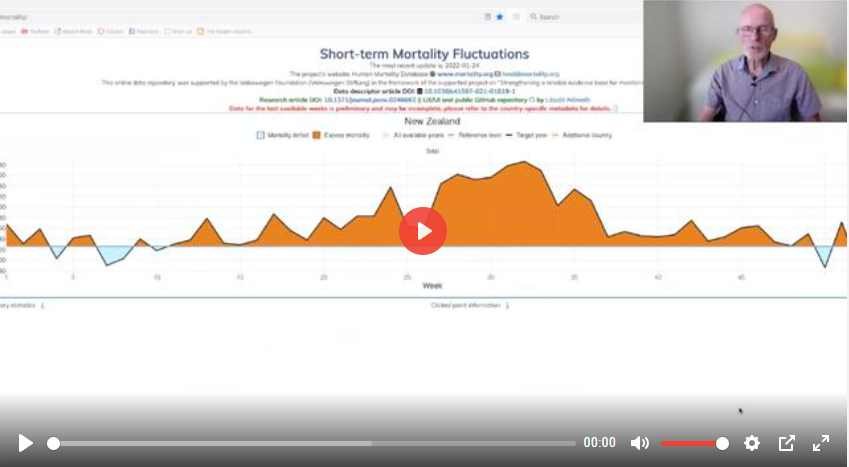
The excess all-cause non-Covid deaths during the vaccine rollout has been reliably measured at 2000+.
Despite this, booster shots are being heavily advertised and mandated in the absence of unequivocal evidence of benefit, and the presence of ample evidence of an increased danger of adverse effects.
Nor at any point has there been any serious account of our lack of knowledge of the long term effects of mRNA vaccination. Certainly there is increasing evidence of harm from vaccination.
For example, painstakingly collected accurate data from the US military points to massive rises in disease rates in many serious categories of illness including a 3x rise in cancers.
There has been a concerted effort to keep this story out of mainstream media. The cover up is almost a bigger story than the actual data.
Along with reports of vaccine injury, there has been a steady stream of papers published recently which are beginning to elucidate very worrying mechanisms underlying vaccine injury.
Initial expectations were that after stimulating spike protein production sufficiently to induce an immune response, mRNA genetic sequences in the vaccines would dissipate rapidly, and therefore safely.
A study published in the journal Cell on 24th January 2022 shows that the mRNA sequences can persist in lymph node germinal centres for weeks causing greater spike havoc than Covid infection itself.
The official reports of vaccine adverse effects in New Zealand are running at 30 times the rate of reported injuries from prior flu vaccines.
The Fact That This Has Not Rung Alarm Bells is Incomprehensible
The fact that the government has persisted with its saturation advertising announcing the safety and necessity of Covid vaccination is doubly concerning.
It is apparent from the failure to investigate alarming data, that the practice of medical ethics has transformed to become almost unrecognisable.
Medical Ethics
A common framework used when analysing medical ethics is the “four principles” approach postulated by Tom Beauchamp and James Childress in their textbook Principles of Biomedical Ethics.
It recognizes four basic moral principles, which are to be judged and weighed against each other, with attention given to the scope of their application. The four principles are:
Autonomy – the patient has the right to refuse or choose their treatment. This is rooted in society’s respect for individuals’ ability to make informed decisions about personal matters with freedom.
Beneficence – a practitioner should act in the best interest of the patient and their family. In other words, healing is the aim of medicine.
Non-maleficence – to not be the cause of harm. Many consider this should be the primary consideration—that it is more important not to harm your patient, than to do them good, which is part of the Hippocratic oath that doctors take.
Justice – concerns the fair distribution of scarce health resources, and the decision as to who gets what treatment.
In practice, however, many treatments carry some risk of harm. In some circumstances, e.g. in desperate situations where the outcome without treatment will be grave, risky treatments that stand a high chance of harming the patient could be justified.
This is because the risk of not treating is also very likely to do harm.
So the principle of non-maleficence (non-harm) is not absolute, and balances against the principle of beneficence (doing good).
This has particularly affected debates around the promotion to doctors by drug companies of strong narcotics such as Oxycodone which is highly addictive and whose overuse commonly leads to respiratory failure and death.
Application of Medical Ethics
It can readily be appreciated that the debate around how to apply medical ethics to medical practice has some grey areas and deficiencies.
Medical misadventure is now the third leading cause of death in the USA.
Has this led to an acceptance of risk that should in fact be avoided?
In large part the rules being applied to drug approval are in fact very strict.
Double blind trials are required. Lengthy periods of assessment are mandated.
Deaths following treatment are investigated and usually trials are suspended when these occur.
Generally for vaccinations, assessment takes around ten years and 2 deaths per million recipients would be the maximum allowed in a finally approved product.
In complete contrast, the pre-approval trial periods for Covid-19 vaccines have been of the order of 6 months.
The critical assessments of secondary effects have not been undertaken.
These are aimed to check that general health outcomes for trial participants such as cardiac conditions and cancers do not exceed population norms.
Note the US military data here. Clearly serious injury and deaths associated with Covid-19 vaccinations have exceeded the traditional limits by a massive margin.
Moreover outcomes proximate to vaccination reported through VAERS cover a very wide range of conditions.
Have professional medical bodies raised the alarm? No. Why?
Why Were Principles of Medical Ethics Ignored?
Initially there were reports that Covid-19 was a very serious illness with mortality rates as high as 5% mentioned.
The reports of mass deaths and lockdowns in Wuhan added to the perception that we were facing the worst pandemic since the 1918 flu. Figures as high as 180,000 deaths in New Zealand were predicted.
Fearing the worst, draconian lockdowns, border closures, and mass vaccination seemed to be not only justified but absolutely necessary.
The Principle of the Double Effect from medical ethics whereby beneficence is weighed against non-maleficence seemed to be almost irrelevant in the looming crisis.
This alarmist assessment rapidly dissipated.
Published studies put mortality rates well under 1%, there was a realization that serious Covid outcomes and deaths primarily occurred among those who were already seriously ill or physically weak due to other causes including advanced age—in other words Covid was not the sole cause of deaths.
During the early months of 2021, it was also apparent that mRNA vaccines waned in effectiveness rapidly and did little to stop transmission.
The only principles of medical ethics that seemed still to be appropriate were those of justice and beneficence.
Reports suggested that Covid vaccination reduced the severity of illness; might it not be beneficial to the individual and save our over-stretched health service from becoming overwhelmed by unvaccinated Covid patients, thereby advantaging patients requiring treatment for other conditions?
Despite doubts about the outcome data and mounting evidence of vaccination harm, the answer given to this by the New Zealand government was a big YES.
The government pointed to some high overseas patient loads and decided to mandate vaccination to the extent that the unvaccinated would lose their right to employment.
They thereby overruled the first principle of medical ethics autonomy—patient choice, a degree of coercion that ensured vaccination rates in New Zealand rose above 90% among those eligible.
Reports of Vaccine Injury in New Zealand
The Health Forum NZ is a FB, Telegram, and MeWe site with 50,000+ members which has served as a meeting and information place for vaccine injured.
Users are able to report their personal experiences. New Zealand has a population of 5 million so Health Forum NZ members comprise 1% of the population.
The Health Forum NZ has received reports of 600+ deaths proximate to vaccination.
300+ of these have been investigated and confirmed by NZDSOS (NZ Doctors Speaking Out on Science) a voluntary group of medical doctors.
Looking through the thousands of reports of vaccine injury and death throughout the Health Forum NZ FB site, one is struck not only by the serious nature of vaccine injuries but particularly the multiple experiences of GPs and hospital doctors dismissing serious injuries and conditions as unrelated to vaccination without careful consideration.
The most common among the reports of serious vaccine injury are chest pain, arrhythmia, shortness of breath, and related experiences of persistent extreme fatigue and debility.
Sometimes these develop as cardiac events, clotting, stroke, and death. Many result in loss of capacity to work.
They are heart wrenching stories, but the rejection of responsibility by medical services adds another level of concern when reading the accounts.
There are many experiences of being assured that they were over anxious and being sent home with an aspirin, only to suffer immediate complications necessitating admission to hospital care.
Some people reported that many others were in hospital with similar outcomes at the same time.
Sometimes sufferers are made to wait many hours or even more than 24 hours in rare cases before being seen by a doctor, only to find that the doctor is uninterested and dismissive when he hears that the injury followed vaccination.
This is not universal, some, probably most, doctors and medical staff are very caring and concerned.
Nevertheless reports of dismissal of serious injuries as inconsequential by GPs and hospital staff are sufficiently numerous to form a pattern that demands further consideration.
The NZ Government Stonewalled Calls for Accurate Data Collection
Our government decided early on not to take the reporting of adverse effects following vaccination seriously.
They denied repeated requests to make the reporting of adverse events mandatory with the result that there has been no way of knowing the extent of vaccine injury.
Medsafe already knew that the voluntary system in place had a history of catching only 5% of adverse events.
Their decision flouted the most important principle of medical ethics non-maleficence—do no harm.
It also enabled the government and the whole medical establishment to avoid any public discussion of adverse events.
Jacinda Ardern famously arranged for the hurried deletion of over 30,000 reports of adverse events from her FB account.
Why did our authorities do this?
The government opted for a stand-alone vaccination strategy because they believed assurances of safety and efficacy from Pfizer.
Consequently they wished to avoid anything that would lead to vaccine hesitancy.
Almost immediately and before any decision on mandates, we found out vaccine effectiveness waned rapidly and did little to reduce transmission, directly contradicting Pfizer trial results.
The Government and the Ministry of Health switched arguments— “millions of people had received the vaccine worldwide so it must be safe and effective”.
A vacuous argument from a scientific point of view.
Almost a hundred thousand people were prescribed Thalidomide before it was realised that it was unsafe.
The medical ethics criteria of justice—public good and beneficence—patient well being, are not usually weighed in the absence of considerations of maleficence and autonomy.
Thus the stance of the government, to sweep vaccine injury under the carpet, departed radically from previous ethical practice.
This kind of departure is only entertained in times of war when the threat to the nation and the whole population is judged to be sufficient to mandate military service call up and tolerate the inevitable heavy casualties of conflict. This condition was of course not met in any way by the Covid pandemic.
Why Didn’t Multiple Reports of Injury Raise the Alarm?
The mounting numbers of individuals reporting vaccine injuries to their GPs and at hospital EDs, should have raised alarm bells to a point that detailed investigation of their actual extent became a priority.
Instead and inexplicably, hiding their occurrence rose to the top of the government’s agenda.
Jacinda Ardern lashed out at a journalist asking questions about the death of a 17 year old girl suffering a stroke and dying immediately following vaccination, labelling the journalist as irresponsible and denying any relationship with vaccination before there had been any time to assess causation.
This set the tone for the whole machinery of government including the Ministry of Health and the medical profession.
A few medical professionals were disciplined for raising similar questions. This was enough to discourage any public consideration of the ethics involved.
BUT it should have been otherwise.
Ethical considerations extend to individual judgements.
Every medical professional exposed to repeated presentations of vaccine injury should have blown the whistle.
The important point to note is that the quality and extent of life of thousands of individuals including young children are at issue.
There is and always has been an ethical imperative to provide proper informed consent, honour personal choice, and protect them from harm.
It is evident that there has been a concerted attempt within the medical establishment and the government to change this and normalise high casualties of a novel vaccination.
The NZ Government Doubled Down on Ignorance
The government decided to further reverse ethical practice.
Dr Ashley Bloomfield, Director General of Health, has the personal responsibility for granting vaccine exemptions to those injured by the first shot.
In almost all cases, he refuses exemptions including among those hospitalised and still ill, even when there is supporting documentation from specialists.
Now that extensive research has concluded that the outcomes for Omicron patients are similar for both the vaccinated and unvaccinated, there is no longer a valid scientific argument for justice and beneficence.
All ethical arguments for mandates are moot, but why is there still no move to protect individuals from the adverse effects of vaccination?
Criminal Liability at Stake
All of our arguments point to a deliberate attempt by a number of key players to pervert the application of medical ethical principles.
In this situation, pretending to be an uninvolved bystander is not an ethical option.
As mounting evidence has been ignored, government decisions verge towards the criminal.
Deliberately suppressing debate is a further step into criminal territory. The historical precedents are obvious.
There are floundering attempts by the media to label mandate protestors as variously right-wing extremists and uneducated Luddites.
Considered in the light of scientific publications, this appears as prejudice and a weak attempt to avoid censure for poor reporting.
The arguments in support of mandated vaccination are still being presented to the public through strident political rhetoric unsupported by science publications.
The government must realise that there are serious scientific and ethical failings involved.
It must mount an honest attempt to change the debate from politics to science, and adjust public policy accordingly.
At this stage, anything less is culpable.
Guy Hatchard PhD was formerly a senior manager at Genetic ID a global food testing and certification company (now known as FoodChain ID)
Our island nation has a remarkable history of both tolerance and morality. We are far away from most of the world with a natural need for self-reliance and self-sufficiency.
Like survivors cast away on a desert island, our safety and progress depends on our capacity to cooperate and assist one another—all of us are in the same waka.
In 1893 for example New Zealand became the first nation to grant votes to women. Until recently, successive governments have sought to maintain equality before the law.
We were early adopters of a universal national health policy. Our accident compensation insurance scheme is a no-fault system that acts as a safety net for everyone.
In a nation prizing self-reliance, homeownership at 74% in 1991 was among the highest in the world.
We have stood up to nuclear proliferation and sought to contribute to global initiatives in favour of peacekeeping and fairness.
We believe we are independent thinkers. As a trading nation we expect to be well informed about global trends.
Our government’s draconian response to Covid-19 has come as a huge shock to many of us.
We are asking ourselves “Why and how did this happen to us?”.
Our situation has a history. We certainly underestimated the effects of globalisation and the national vulnerabilities it has created.
In 2009/10 Jacinda Ardern, a newly elected MP, gave a Q & A session at Auckland University Law School, my daughter asked her ‘How does she manage if she disagreed with her party on an issue?’.
Ardern replied that it is unimaginable that such a situation would arise. Every single thing my party thinks, I think. I couldn’t entertain a different opinion than my party.
No surprise then that Ardern expects absolute obedience under her leadership.
She micromanages her government and MPs. No surprise also that having formed opinions, Ardern does not feel a need to reconsider them.
An End to Open Government
Ardern’s legacy in New Zealand is the closure of open government.
The Ministry of Health is busy hiding outcome statistics.
OIA requests are treated in a cavalier fashion as Andrea Vance at Stuff reports
The Broadcasting Standards and Advertising Standards Authorities have both ruled that their supposed watchdog role is subservient to Ministry of Health policies—no need to look beyond government advice.
The courts have summarily dismissed suits against mandates and ruled that the New Zealand Bill of Rights can be circumvented.
The Ministry of Health has denied requests for mandatory reporting of vaccine injuries, thereby hiding their extent (which is 30 times greater than any prior vaccine).
Children 12-18 can be vaccinated at school WITHOUT their parents permission, government advertising encourages them to do so.
Given the constant slick saturation advertising which we sit through every day and night on YouTube, television and radio telling us that the Covid Pfizer vaccination including the booster is safe, desirable, essential, and protective against all variants, it is no surprise that this has split New Zealand down the middle.
Footage of teens concluding ‘sweet as’ and ‘safe for summer’ only encourage scapegoating of the unvaccinated.
Children are offered free food and treats to present for vaccination. Unvaccinated children have been denied access to school activities as a further incentive to ignore their parent’s wishes.
Doctors asking questions are deregistered or prevented from consulting, one was recently for ‘too vigorously promoting the concept of informed choice’.
A Hermit Kingdom
Our borders have remained all but closed for two years, cutting off one million Kiwis living overseas from their families and roots.
Ardern has hinted that there will be a permanent quarantine arrangement to enter New Zealand.
If you read international reports you are asking why is our policy so out of step with other countries like Sweden, UK, and Denmark?
If you follow the government’s advice and limit your sources of information to official announcements, you are fearful of a killer illness, outraged that not everyone has vaccinated, and disturbed that our government may not be able to afford a fourth booster for everyone.
Families, including mine, have been split down the middle and ceased talking.
Most remarkably New Zealand has all but given up keeping track of the implications of Covid science publishing for government policy.
Ministry of Health websites display discredited information eight months out of date and stoke fear of the dreaded Omicron.
Our Doors Open to Billionaires
It doesn’t stop there. During the last year house prices have risen by 30% as commercial money seeks safe-havens.
What is the government’s response—strict new lending rules which have denied housing loans to people who do even one of the following:
subscribe to a streaming service
eat takeaways twice a week
attend therapy
have a gym membership
or buy one coffee a day.
The length of paid maternity leave is curtailed from nine months to three months if you want to qualify for a mortgage.
To police this, banks have been required to troll through minutia of their customer’s spending, intruding on formerly private personal information, and they are liable for a $200,000 government fine if they make a lenient assessment.
Our homeownership rate has fallen to its lowest level in 70 years.
Our tourist industry formerly worth $38 billion a year has disappeared along with the solvency of our hospitality assets.
The Government’s response is that they now wish to go upmarket and designate New Zealand as an exclusive destination for the rich.
Accordingly, billionaires like Peter Thiel are welcome to buy property and settle here to prep for the apocalypse.
A Bad Case of Inflexibility
There is a famous psychological experiment known as the anomalous card experiment. Subjects are presented with playing cards quite rapidly and asked to identify them.
But the pack being used contains a few false cards like a black ten of hearts of a red seven of spades. Subjects start by identifying all cards as real.
They will comfortably assert that the red seven is in fact a spade with no sense of ambiguity. This reaction is known as dominance.
As the pace of presentation of cards is slowed a period of confusion can result, subjects might say I am damned if I know what that one is.
This gets resolved when the subject realises that there are such things as incongruous cards that you would not find in a normal playing deck.
Some subjects however have great difficulty reaching this experience of resolution. Their dominant reaction may continue.
You already know where I am going with this.
Ardern has a dominant personality. She has now reached a stage where the obvious deficiencies in Covid policy and the changed data landscape evident in journal publications are not going to change the course she has already set.
Don’t get me wrong here, Chris Luxon, leader of the opposition, could have an even more severe case of dominance than Ardern.
He has given interviews in which he asserts that mothers with unvaccinated children should be denied government support.
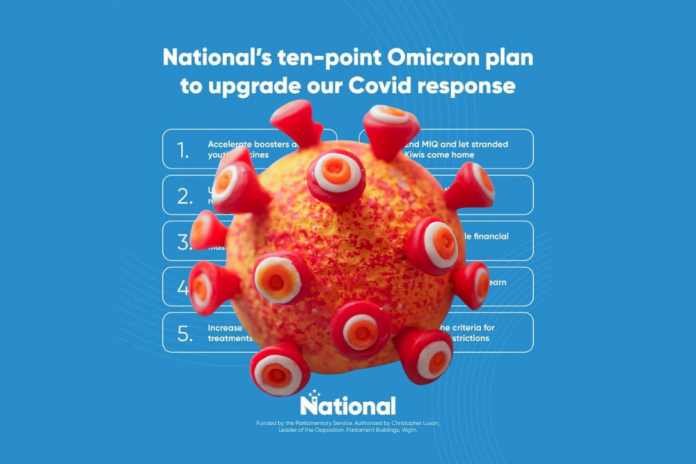
His just released 10 point policy calls for accelerated incentives for Covid vaccination.
His policy does not suggest mandates will be relaxed.
The Daily Examiner: National’s 10 point Omicron plan in brief (https://www.thedailyexaminer.co.nz/nationals-10-point-omicron-plan-in-brief)
Where do Ardern’s policies originate?
Ardern’s Covid policies have enjoyed the uncritical support of New Zealand legacy media.
Large cash grants to mainstream media outlets have cemented their support.
This has been ably propped up by the quaint Ardern directive that the government should be your only source of information, all other sources are mere grains of salt.
But where does the government get its information from?
We are told that Ardern begins her day with a cup of coffee and a phone call with Helen Clarke (a former New Zealand PM and Ardern mentor).
Clarke is recognised as a vocal supporter of WHO and advocate of tighter controls on social media content.
My own experience is illustrative. In December, I put up a ten minute video of slides entitled 2021 Covid Stats For Kiwis (link to it below).
It solely contained official New Zealand government statistics about the pandemic and our economy.
It registered 20,000 views in a week but was then taken down by YouTube on the advice of the Ministry of Health.
Under Ardern, if government statistics are an embarrassment, they are hidden from the public.
This allows government policy and propaganda to be formulated detached from reality.
The Ministry of Health and the vast majority of medical professionals appear to fully support Ardern.
This was helped by the sacking of dissenting GPs and the suspension of all medical professionals who are unvaccinated, including those who advocate alternative remedies.
The fear factor that Ardern promotes is evident here.
Whistleblowers like to remain anonymous and speak in hushed whispers of wards overwhelmed with vaccine-related cardiac case loads.
The links of Ministry of Health with global pharmaceutical based health policies are strong.
Our medicines regulator Medsafe is a member of the International Coalition of Medicines Regulatory Authority (ICMRA), a non-governmental body formed in 2014 which has close links to WHO and the pharmaceutical industry.
It supplies policy documents to Medsafe via a shared database which are used in turn to inform our government Covid policy.
Former labour governments under Clarke have twice tabled legislation to control natural health products using policy information shared by ICMRA.
Both initiatives failed due to vocal public opposition in New Zealand.
The motivation behind such legislation lies with the desire of global pharmaceutical/biotechnology/agrichemical industries to dominate global food chains and over the counter natural remedies.
Even without the legislative controls they seek, food industry additives and highly processed foods ingredients have begun to fall into their hands.
Biotech freely uses the term ‘natural’ to describe food additives and supplements designed in laboratories.
The Ministry of Health has long sought to exclude anything alternative or natural from its practice.
In the nineties, I made a presentation to the Ministry of Health committee which approves new approaches.
I presented published evidence of the benefits of regular short meditation sessions for general health, reduced blood pressure, and enhanced immunity.
The chairman of the committee took me aside at the end of the meeting, put his arm around my shoulder, and said “you know Guy, we are never going to do anything like this, if people get healthy enmass medical professional incomes will fall, no one in our profession wants that.”
Even at this point in time, the determination of our medical profession, led by the Ministry of Health, to maintain the stranglehold of pharmaceutical approaches to health was evident.
Yet the reluctance of the public to fully adopt modern medicine to the exclusion of every other approach was also evident.
Opposition to GM foods and natural health regulation was high.
Ardern Opened the Doors to Foreign Control
For a small country like New Zealand, it was formerly an objective to minimise foreign control by financial giants who are essentially predatory of our national interests.
The developers and manufacturers of new biotechnology medicines were thus well aware that their introduction had to be carefully planned and curated.
Despite the appalling safety record of gene therapy, a biotechnology dream was fashioned by their PR army—a cure for all illnesses and a prescription for long life.
A stream of press statements released overtime began to tease a golden biotech future.
In 2017 a Stuff article listed 93 lobbyists with access to parliament. Among them Medicines New Zealand which lobbied Andrew Little to bypass our drug purchasing agency Pharmac and fund Keytruda.
Lobbyists facilitate access to politicians for companies including drug companies.
A great deal of lobbying essentially consists of building relationships and articulating the reasons for policy improvements.
It also includes a process of building up ‘what if’ dreams in the minds of busy politicians.
From her limited grasp of ‘science’ and her almost childish use of the term, Ardern appears unaware of the dangers of foreign influence and an easy prey to imagination.
The Wrong Leaders to Host Change
The world as a whole is certainly facing a raft of serious problems in the not-too-distant future—climate change and associated food shortages, ocean desertification, endangered biodiversity, and environmental pollution.
The frustration with lack of action on these problems has played into a call for stronger action. This has led to calls for stronger leadership.
People like Ardern and Luxon appear to fit the bill, but do they?
Both are controlling personalities born to rule us, but what is really required is carefully balanced knowledge, broad consensus, and continuing feedback as steps are taken, not one way traffic, inflexible ideas, dismissal of questions, and refusal to change course like the leader of the Light Brigade.
The assault on basic freedoms and cultural values will not be easy to rectify.
The climate of regulated and restricted information, media control, and mandated obedience has been cemented into place.
The threshold of magical thinking has been crossed. The endlessly renewed stream of unopposed disinformation stoking fear and division is designed to make us forget who we are and what we stand for.
It is unlikely that any newly elected party will seek to change that.
The growth of power has its own momentum. History however tells another story.
Marginalising and impoverishing large sections of a population through totalitarian control is a well worn path to social disruption and conflict.
Public attitudes have hardened on both sides of an artificial divide, but with over 50,000 New Zealanders reporting vaccine injuries in a country of 5 million, almost everyone now has a friend or family member affected.
The ramping up of a renewed fear-based narrative for Omicron no longer rings true.
Ardern’s net approval rating has plummeted from +55% at the time of the 2020 election to +15% last week.
Now is the time to make our voice heard.
Guy Hatchard PhD was formerly a senior manager at Genetic ID a global food testing and certification company (now known as FoodChain ID)
Jacinda Ardern has redefined ‘kindness’ into something unrecognisable.
As a result New Zealand has become a lawless nation. You cannot live your life without principles, nor can a nation survive without the rule of law.
What are the fundamentals—the sanctity of life, truth, and kindness. I have again been reading the thousands of heart wrenching stories of adverse reactions to vaccination on the Health Forum NZ FB site.
Take the case of hair dresser Jennie (named changed). Reluctant, but required to vaccinate to retain her job, she has suffered a continuing catalogue of blood clots, pain, migraines, and convulsions.
Her doctor advised her that she shouldn’t have the second shot. He applied to the Ministry of Health for an exemption. This was turned down by Dr. Ashley Bloomfield.
So her doctor has suggested she be admitted to hospital while she has the second shot.
The NZ Bill of Rights guarantees that ‘Everyone has the right to refuse to undergo medical treatment’, no ifs or buts.
Except that is unless Dr Ashley Bloomfield decides that you do not have that right. In this he is encouraged by the ‘kindness’ of Jacinda Ardern and the compliance of all political parties.
Who is at fault here? Jennie’s doctor is spineless, he admits privately that the second Pfizer vaccination will expose her to risks commensurate with emergency hospitalisation, yet he hasn’t spoken up publicly.
In this he joins thousands of other NZ medical professionals who have forgotten their Hippocratic oath
“I will do no harm or injustice to my patients”
Multiple published studies show that the second Pfizer inoculation has stronger adverse reactions than the first. Is that not enough?
Apparently not for virtually our whole professional host of medicos. They have supported a conspiracy of silence.
As there have been 2000 excess all-cause deaths in 2021, the charge is manslaughter. The verdict: Guilty.
Do we have sympathy for the medical profession, because they are clearly in danger of losing their jobs (a few have already) and thereby their capacity to provide assistance?
Yes, we do.
They have been put in this invidious position by Jacinda Ardern and her government fully supported by all NZ political parties.
What should medical professionals do? History comes to our rescue.
In 1939 on Hitler’s express orders under the code name Aktion T4, the euthanasia of men women and children with disabilities and psychiatric disorders began.
As the programme gradually came to public knowledge, there was a huge outcry especially from the church. As a result, in late August 1941, Hitler ordered a stop to the killings.
However in August 1942, the programme resumed in high secrecy and continued to the end of the war. In total 250,000 people were eliminated.
After the war, those doctors who assisted were prosecuted. The key take home from this—public outcry is essential and government secrecy is criminal.
At the moment here in NZ we are suffering from the mainstream media’s refusal to cover vaccine injuries and our government’s black out of discussion of the significant risks of mRNA Covid vaccination.
What is the remedy for this situation?
We have learnt to our cost that the courts will not uphold the provisions of the Bill of Rights. This has thrust NZ into a constitutional crisis. Jacinda Ardern has seized power in a bloody coup.
The blood is that of hundreds of thousands of vaccine injured including Jennie. The quiet complicity of the police, the courts and the medical profession echoes the bystanders in 1930s Germany.
As the storm gathered, they either stood by or joined up. The rhetoric of their leader was both empty of truth and devoid of kindness, it also satisfied an ancient need for a sacrifice.
We have arrived at a similar junction in our island history. We are being sacrificed on the altar of a biotechnology dream. A baseless dream of health on the point of a needle.
Like a hopeless addict encouraging his friends to join him, our government is mandating us all to jump off a cliff. Like the mad dog in Thomas Hardy’s Far From The Madding Crowd herding the sheep over the edge, we are condemned to our fate by a government intent on their own special version of kindness.
Guy Hatchard PhD is formerly a senior manager at Genetic ID, a global food testing and certification company (now known as FoodChainID)
This presents strong evidence and I will discuss the details of this paper in a later post.
But what I found very refreshing this morning is the author’s successful attempt to embed rational discussion of Covid in a very wide range of references including a great many established concepts about physiological health and immunity pre-dating the pandemic.
Unfortunately in pandemic publishing there has been a tendency to throw out much of what we already know about health in deference to the excitement and expectation surrounding novel biotechnology/mRNA concepts.
Their paper details the alterations in natural immune mechanisms in the face of the genetic interference of mRNA vaccines.
In my opinion we will never have a fully effective health system without implementing preventive strategies known through historical use to be safe and effective.
By adopting novel mRNA vaccination as a virtually stand alone strategy, our government is jumping off a cliff expecting to fly.
The Ancient Health Science of India Ayurveda
One highly developed traditional natural health system is Ayurveda, the ancient health science of India, still practiced there today and enjoying a wider audience outside of India.
It employs multiple modalities and is inclusive of other approaches which improve health.
Ayurveda brings a scientific rigor to the table and articulates sophisticated concepts of health, well being, and prevention, but also includes the etiology or development of early imbalance in the physiology and the stages which lead to the diseases we recognise in modern medicine.
Texts of Ayurveda include detailed knowledge surgery and particularly include a mastery of herbal medicine with a materia medica of over 5000 herbs, their uses and combinations in diet, prevention, and treatment.
Behavioural and rejuvenative technologies are an integral part of Ayurveda. Ayurveda is very accessible as a home health strategy as many of its approaches can be easily incorporated into daily life.
Ayurveda literally means knowledge of life and longevity and offers the broadest understanding of well being as a means to health.
It identifies consciousness itself as the fundamental of life. In Ayurveda consciousness is primary and matter secondary, matter emerges from consciousness.
In this, there are echoes of physics and cosmology which are inevitably brushing against the intimacy between consciousness and matter as these disciplines explore the origins of the universe.
Thus Ayurveda includes forms of meditation and yoga within its scope as means of self-knowledge which aim to secure a bedrock for health.
However Ayurveda is not a system based on belief, any among its rational physiological, psychological, behavioural, and dietary principles can be adopted to benefit health by anyone.
Ayurveda identifies the fundamental cause of ill health as pragyaparadha—mistake of the intellect.
Our attention becomes so caught up in outer sensory experience that it becomes one-sided and loses connection to the wholeness of life.
Life has two phases: changing and non-changing, diversified and unified.
The world around us, that we experience through the five senses, is diversified and changing.
When this phase of life becomes disconnected from our inner Self, we have become object referral.
As a result, the rhythm of life can lose its connection with the eternal principles that organise the Cosmos, the fundamental laws of Nature.
Experience and Thought are Dominated by Perpetual Change
Life becomes so rushed that the element of stability in life, and with it happiness and health, is undermined.
In this situation, life can become vulnerable; just as when we are living in a house, we can forget about its foundations even though the stability and longevity of the house relies on the integrity of its foundations.
A crack in the relationship of the house with its foundation can lead to collapse.
The essential element of life is consciousness, the unified field within, that is beyond space and time, fully self-sufficient.
That is our own Self.
The loss of awareness of the Self is the essence of pragyaparadha. In Ayurveda this is identified as the root cause of all illness.
The loss of connection with the Self disrupts the connection of our human physiology with the underlying WHOLENESS of Natural Law which has given rise to the biology of living systems.
We know that consciousness is connected with biological systems, but perhaps we don’t always realise how intimate this connection really is.
DNA is the Blueprint of the Developmental Stages of Our Existence
At every stage consciousness and biology march hand in hand.
DNA sits at the interface between consciousness and matter, between immaterial fields and expressed physiology.
When we make a decision, exercise a choice, or in other words use our intellect, DNA is the junction box that relays our intentions throughout the physiology.
As such DNA is multifaceted and multitasking.
It has ways of operating that directly reflect the sort of freedom of will and decision-making that we ourselves undertake consciously.
The autonomic nervous system makes physiological decisions that are usually independent of our control, but although these are lawful they are not devoid of options.
In other words the DNA is intelligent in the way we ourselves are intelligent. DNA and consciousness are two sides of one coin.
DNA has multiple responsibilities and multiple strategies, just as we have.
Physiology is Not Static
98% of the atoms in our body are replaced every year.
The human body is surrounded by and contains a sea of atoms, chemicals, foods, poisons, bacteria and viruses and much more.
To manage the stability of life, DNA must deploy an arsenal of strategies every moment in every cell simultaneously.
Moreover it must maintain its own integrity whilst acting.
In each cell oxidative damage to our DNA is repaired more that 70,000 times each day.
Aside from cellular function, DNA must manage broad organ systems such as the circulatory and digestive systems and maintain their homeostasis.
In this we can begin to appreciate that the DNA has qualities similar to consciousness which can range beyond cellular boundaries to the management and maintenance of more general properties of health not restricted to limited areas defined by the cellular boundaries and intracellular pathways.
We can describe DNA as both rigid in its structure and flexible in its function. Our immune system reflects this.
DNA is able to control an immune system which evaluates its opponents as they appear and designs strategies to deal with them both in the shorter and longer term.
DNA is particularly adapted to coping with and utilising other living microorganisms such as viruses and bacteria as a result of millions of coevolutionary years ingesting food and breathing.
Intellectually we could never model the full extent and detail of physiological immune responses, maintenance, recovery, growth, memory, and homeostasis which operate from the scale of fields to atoms, to micro and macro molecules, to cells and organs, but we can be sure these are centred in a remarkable molecule whose self-interacting properties mirror our consciousness in the most intimate sense possible.
Enter mRNA Genetic Technology
The paper referred to at the start of this essay outlines a radical departure of immune system function from its norms when stimulated by mRNA vaccines.
In so doing, a number of other immune mechanisms such as those that control mutagenesis are potentially disrupted.
From the perspective of Ayurveda, we could say that the river of life guided by our innate physiological intelligence (DNA) becomes genetically constrained by mRNA vaccines to undertake one specific kind of response to a health threat.
Its capacity to flexibly design immune response options is in some sense frozen by an imposed genetic structure that does not enjoy the intimacy with consciousness that our DNA normally has.
From the failed history of gene therapy, this should not be unexpected.
Mistake of the Intellect
Can we go so far as to say that genetic technologies, by replacing natural DNA sequences with imperfect engineered additions, potentially risk disrupting the connection between consciousness and matter—creating pragyaparadha, the mistake of the intellect which Ayurveda understands as the basis of disease?
In contrast, Ayurvedic treatment takes a completely different approach to health.
Its technologies aim to reduce blocks to efficient natural function in the physiology and immune system through cleansing and restorative foods and natural procedures.
The essential aim is to restore balance between the three fundamental qualities of physiological function—transport systems, transformation systems, and structural systems known as vata, pitta, and kapha in Ayurveda.
Covid-19 is a disease that particularly affects those with comorbidities
It is interesting to note that Covid-19 is a disease that particularly affects those who are already ill with comorbidities.
Ayurveda is particularly suited to long term strategies to improve health and well being and thereby prevent disease before it arises.
There are also Ayurvedic approaches to disease which make it a natural safe partner to any immediate treatments required by those who have fallen ill.
The potential impacts of all verified natural preventive interventions on Covid-19 are not small.
73% Reduced Risk of Hospitalisation Following a Plant-Based Diet
The BMJ has reported a 73% reduced risk of hospitalisation among those following a plant-based diet, a regimen which is typical of Ayurveda.
The Ministry of Health’s refusal to inform the public of simple, safe, tried and tested preventive strategies for numerous chronic conditions known to complicate Covid outcomes such as diabetes amounts to fiddling while Rome burns.
Natural preventive strategies offer some avenues to health and immunity that are long lasting and free of side effects, and can be self-managed.
As a society we have become accustomed to reliance on technology, that should not blind us to traditional knowledge or to considerations of what really does work.
Historically this is 30 times the rate of adverse effects reported for flu vaccines. More than 50% of these adverse effects are reported by medical professionals and about 40% by affected members of the public via the CARM (Centre for Adverse Reactions Monitoring) website.
Prior experience published by Medsafe concludes that only 5% of adverse events are reported to CARM. A total of 8.1 million doses have been administered.
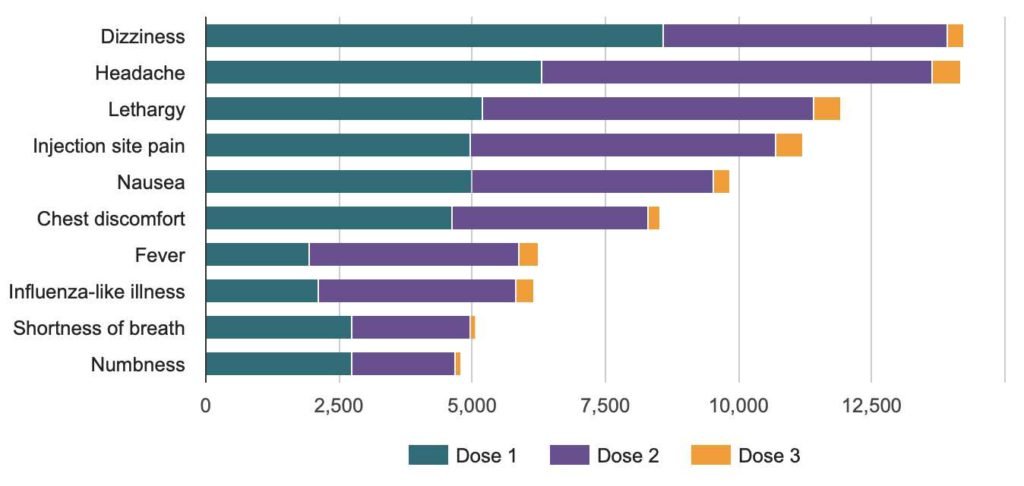
The ten most common adverse events
44,000 of the 46,000 adverse events are dismissed by Medsafe as ‘non-serious’—a number that has been echoed by politicians across the NZ political spectrum and by our Ministry of Health.
If you’re in the early stages of myocarditis, you might have mild symptoms such as chest pain, rapid or irregular heartbeats, or shortness of breath.
Some people with early-stage myocarditis don’t have any symptoms.
The signs and symptoms of myocarditis vary, depending on the cause of the disease. Common myocarditis signs and symptoms include:
Chest pain
Rapid or irregular heartbeat (arrhythmias)
Shortness of breath, at rest or during activity
Fluid buildup with swelling of the legs, ankles and feet
Fatigue
Other signs and symptoms of a viral infection such as a headache, body aches, joint pain, fever, child dizziness, a sore throat or diarrhea
Sometimes, myocarditis symptoms may be similar to a heart attack. If you are having unexplained chest pain and shortness of breath, seek emergency medical help.
Of the ten most common adverse effects of Covid-19 vaccination reported to CARM in NZ, you can see eight are listed as symptoms of myocarditis by the Mayo Clinic.
Given that myocarditis is the most common known severe outcome of Covid-19, why have the eight common vaccine adverse effects also known to be symptoms of myocarditis been characterised as ‘non-serious’?
Is this a glaring case of misdiagnosis? If so, why?
NZ GPs and Medical Personnel Had a Naive Expectation of Vaccine Safety
The first point to note is that most NZ doctors medical professionals had expectations of vaccine safety based on both years of experience with vaccination programmes and the extensive medical education they had received.
They had no prior experience with drugs or vaccines that had not already completed years of testing and safety evaluation.
It was for them therefore virtually unthinkable that the Pfizer vaccine was unsafe.
Moreover the Pfizer vaccine trial results had already characterised the common adverse effects as non-serious.
For this reason the very common reports of chest discomfort and shortness of breath following Covid-19 vaccination, which according to prior protocols should have led to intensive investigation and treatment, were dismissed as non-serious without investigation and in most cases without reporting to CARM.
Perhaps their very common occurrence fostered an attitude of indifference and dismissal which many victims suffered in NZ when they reported such symptoms to their GP or to hospital staff.
Rates of Myocarditis Symptoms are Higher Than Realised
The prevalence of a wide range of known myocarditis symptoms are probably indicative of a very high rate of subclinical and mild myocarditis following Pfizer vaccination.
The important point to note is that the recommended treatment for mild myocarditis is rest.
Most people recover if it is treated early with sufficient prolonged rest.
If left untreated, Myocarditis can restrict the capacity of the heart to pump blood which can lead to serious cardiac events such as heart attack, stroke, and arrhythmia.
It is contraindicated to undertake vigorous physical activity including sport while suffering from myocarditis.
It is clear from this that insufficient precautionary instructions were given to vaccine recipients about the risks they faced and the steps that they needed to take to avoid these risks.
This may have contributed to cardiac problems including among some recipients undertaking vigorous physical exercise.
The possible extent of these cardiac events is indicated by multiple reports to voluntary organisations such as NZDSOS and the Health Forum NZ.
An important point to note here is that reporting to CARM is not mandatory, a very unfortunate yet unforgivably deliberate omission.
Medsafe attempts in its Safety Report #39 (referenced above) to dismiss the significance of adverse events by comparing their rate to population norms.
In the absence of mandatory reporting, especially considering that Medsafe knows adverse events are grossly under-reported, all such comparisons are statistically meaningless.
A Public Information Campaign is Essential
Belatedly Dr Ashley Bloomfield, Director General of the Ministry of the Health, struck a note of alarm about myocarditis in his December 15 2021 letter to directors of DHBs, but this concern did not alter much the processes being applied.
Individuals experiencing myocarditis following their first vaccination are still being denied exemptions.
Those suffering strokes and heart attacks are in some if not most cases being denied Accident Compensation Commission (ACC) assistance.
There is also a virtual data black-out on rates of cardiac events and hospitalisations and on ACC claims.
Anecdotal and whistleblower reports here and overseas suggest these might be high but considering that data collection has been haphazard due to the non-serious label, these might be hard to quantify unless the government makes an honest attempt to inform the public of risks and ask people to come forward who are already affected.
This is particularly important as many stroke, cardiac and other serious adverse event sufferers have already been emphatically informed by their GP or other medical professionals that their symptoms must be unrelated to the Pfizer vaccination—an egregious form of victim blaming lacking any scientific basis.
Guy Hatchard PhD is formerly a senior manager at Genetic ID a food safety testing and certification company.
Here is a very interesting video by my colleague Grant Dixon explaining in detail the evidence for 2000 excess deaths in NZ while the Pfizer vaccine was rolled out for 9 months last year.
Please view and I suggest you forward this video link to PM Jacinda Ardern, Andrew Little, and your local MP and ask for a public enquiry. You could also forward this as widely as possible to your friends and contacts.
In what might be an alarming augury for the NZ government, I have noticed during the last few days that a number of the provaxx but science-qualified bloggers overseas like Drs Vinay Prasad and John Campbell have begun to ask variations of “What did we do wrong?”.
Our government could ask similar questions of themselves.
Time to Change Gear Before it is Too Late
How did our government policy and understanding become ‘stuck’, unable to take account of changing scientific publication—about vaccine adverse effects, transmissibility, Covid outcomes, etc?
The impression created overseas by our government’s isolationism and refusal to face alternatives is one of intellectual inadequacy, crusading naïveté, and desire to control the narrative at all costs.
An article in the UK Daily Telegraph today described Ardern as offering ‘a myopic moral vision, with no end in sight’.
Has our government been pushing a less than honest narrative for reasons they are not prepared to discuss?
The public deserves a complete narrative no matter how embarrassing that might be. Science must involve debate, not dogma.
The Pandemic Began with the Ultimate Pharmaceutical Wet Dream
For years the biotechnology industry had been curating a deceptive public relations campaign to convince decision-makers that they were producing a safe genetic cure for all diseases.
A mouth watering prospect for their bottom line.
This deceptive PR has polluted every channel of medical information.
Our government took the bait—hook, line, and sinker.
We gaily sidelined established medical principles of safety testing, ethics, primary care, and prevention.
Chronic illness rates were clearly the main drivers of high Covid mortality, but nothing was relayed to the public that improvements in diet and lifestyle would greatly help survival rates.
Novel, largely untested mRNA vaccination was adopted as a stand alone solution.
From the beginning there was evidence that this was unsupported.
Let’s be absolutely clear, the government was made aware and warned but turned their head and blocked their ears.
Mandatory Reporting was Not Required
As a scientist one of the most appalling mistakes of the government (used in its most general sense to include all aspects of officialdom) was to decide that it was not necessary to have mandatory reporting of adverse effects of Covid vaccination.
This must have arisen from a decision to ‘trust’ Pfizer absolutely.
Given Pfizer’s appalling safety record and the similarly appalling safety record of gene therapy, this was madness.
In essence, it means that all analysis of CARM adverse effects and any comparisons with population norms are utterly meaningless.
In December 2021 the government doubled down on this policy in a letter to myself despite simultaneously admitting that cardiac events were common enough to warrant a special alert to DHBs.
It is worth noting that mandatory reporting of adverse events for a novel medicine is the gold standard, that was heretofore required.
The refusal to follow this protocol can be nothing less than criminal.
Moreover the government saturation advertising that announced and continues to announce Covid vaccination as safe and effective in the face of published studies to the contrary and our own CARM system data is similarly criminal.
The mRNA Vaccine is Not Effective
Long before the mandates came in there was abundant data that the vaccine waned in effectiveness rapidly.
There was also worrying data that areas with high vaccine rates around the world did not have low case numbers and low deaths.
Therefore there was insufficient data to warrant coertion.
All this has been hashed over in so many blogs and letters to the government.
As a statistician, I am very clear from such anomalous data that there are other factors at work that need to be researched very carefully.
Did we get that?
No, we got mandates and we got interdepartmental messaging that the threat of Covid to health was so dire that we could ignore basic principles of disclosure.
Independent watchdogs such as the Advertising Standards Authority were convinced by this dishonest drivel to take a hands off stance.
The latest data released by the UK government itself under OIA puts total deaths solely due to Covid over the whole period of the pandemic at 17,000 not the 155,000 we have been frightened with.
Fortunately now we have whistleblowers, many are just beginning to gain the courage to speak up in the still strangled information deficit of NZ, but here is one senior cardiologist and public health campaigner in the UK Dr Aseem Malhotra
“In the Times newspaper in October I discounted the contribution of the mRNA jab to cardiovascular disease. I now realise I was wrong. We’ve been completely conned and the truth does not look pretty. Time for the whole truth to be unleashed. Everything I know and have learnt from the most reliable pieces of evidence and experts in the past few months has caused me to lose sleep. I feel sick. Good God. What have we done?”
The most significant scientific lesson—genetic vaccine technology is inherently unsafe. The sooner this can be publicly debated the better.
Omicron is Not controlled by Vaccination
How long can the government continue to push vaccine mandates which are draining our economy and ruining small businesses in the face of the ineffectiveness of mRNA vaccines against Omicron, a mild variant that has evolved specifically to evade them.
How did our courts come to the extraordinary decision to sideline the NZ Bill of Rights which should have protected us from medical experimentation and guaranteed our right of choice over medical procedures?
This was an extraordinary failure of natural justice.
The offered excuse was a special case of medical emergency—from which just 50 people have died of Covid over two years, a figure dwarfed by deaths proximate to vaccination.
Did our judges have no sense of the historical events which led to the creation of medical rights?
How can they still see themselves as protectors of Common Law, rather than the enforcers of government policy they have become?
Moreover Dr Ashley Bloomfield seized the opportunity presented by this judicial vacuum, to deny people injured by their first injection any exemption to a second—a callous and essentially punishing attitude which goes against medical ethics; and victimises and endangers people who began by doing their best to comply with government policies.
Media Abandoned their Principle Protective Role
How did our mainstream media decide to become a one-sided propaganda machine of the government?
Did they have no sense of the traditional role of the media to investigate and question events and policy?
In particular, their acceptance of an unwarranted fear narrative was key to the worst outcomes of the pandemic for our society.
Fear is a huge driver of social instability, it truncates rational thought and leads to hasty selfish decisions (whether the threat to life is real or not).
It encourages scape-goating.
The published tabloid-style stories of unrepresentative individuals overseas suffering extreme medical outcomes of Covid were presented as valid sources for public knowledge and expectations, while the equally frightening and relatively common side effects of vaccination here in NZ went unreported.
An unquestioning media support for mandates, in addition to the inexplicable failure to publicise vaccine injuries, also drove divisive attitudes.
It is hard to imagine how the media will regain public trust.
This Story Still Has a Long Time to Run
Vaccine development usually involves ten years of safety testing.
The most highly disadvantaged group in New Zealand facing a most uncertain future are vaccinated individuals who remain part of an on-going genetic experiment.
For example those affected by cardiac events and precursive symptoms have a need for medical monitoring that is not currently being provided.
Our political system has proved inadequate to the task.
Government expenditures to date have almost doubled the national debt. Inflation stands at 5.9%.
Small business, retail, and tourist venture collapses continue.
House prices have rocketed up by 30% as commercial money seeks safe havens.
Our room to manoeuvre is limited.
Begin by uniting a country behind openness and honesty and behind acceptance of difference and diversity.
That will be a good medicine.
Guy Hatchard PhD was formerly a senior manager at Genetic ID, a global food testing and certification company.